Chèche
Li ann Anglè
Anglè

Menu
Author
Dr. Kenny Moise

Wi, Mikwòb Tiye Ayisyen
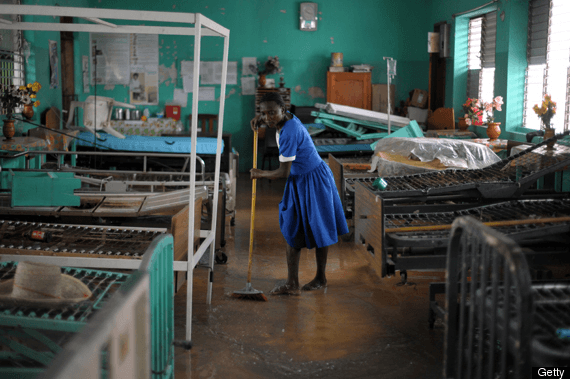
While invisible to the naked eye, viruses and bacteria, which are commonly called microbes, spread through global pandemics and are sometimes able to establish themselves permanently in an environment causing deadly epidemics. However, in less impoverished parts of the world, people are less likely to die from microbe-provoked diseases. This is because resource-rich countries can count on a functioning health system, improved sanitation and vaccination to protect their people. The idea that contacts with microbes make the body more resilient, which is the main principle behind the use of vaccines, hides a less glamorous truth: a weak body is less able to fight infections. As the immune system fails due to comorbidities or malnutrition, microbes can provoke fatal complications. In 2019, the Global Hunger Index report indicated that 49.3% of Haiti’s population was undernourished.
Jan 6, 2021
Wi, Mikwòb Tiye Ayisyen
Jan 6, 2021
Wi, Mikwòb Tiye Ayisyen
While invisible to the naked eye, viruses and bacteria, which are commonly called microbes, spread through global pandemics and are sometimes able to establish themselves permanently in an environment causing deadly epidemics. However, in less impoverished parts of the world, people are less likely to die from microbe-provoked diseases. This is because resource-rich countries can count on a functioning health system, improved sanitation and vaccination to protect their people. The idea that contacts with microbes make the body more resilient, which is the main principle behind the use of vaccines, hides a less glamorous truth: a weak body is less able to fight infections. As the immune system fails due to comorbidities or malnutrition, microbes can provoke fatal complications. In 2019, the Global Hunger Index report indicated that 49.3% of Haiti’s population was undernourished.
Jan 6, 2021
Rasin Kolonyal Sistèm Sante Ayiti A

In this increasingly connected world, keeping the mentality inherited from colonialism only costs more lives. It shouldn’t be this way, especially during the current pandemic of coronavirus disease which will, I presume, have a violent grip on the country. Does Haiti have the means to use the drastic strategies to prevent one more catastrophe? Of course not. A pandemic-ready healthcare system cannot be built in such short timing in a country that has long been depleted of its resources.
Apr 24, 2020
Rasin Kolonyal Sistèm Sante Ayiti A
In this increasingly connected world, keeping the mentality inherited from colonialism only costs more lives. It shouldn’t be this way, especially during the current pandemic of coronavirus disease which will, I presume, have a violent grip on the country. Does Haiti have the means to use the drastic strategies to prevent one more catastrophe? Of course not. A pandemic-ready healthcare system cannot be built in such short timing in a country that has long been depleted of its resources.
Apr 24, 2020
Jan maladi glokòm ap fè Ayisyen mal
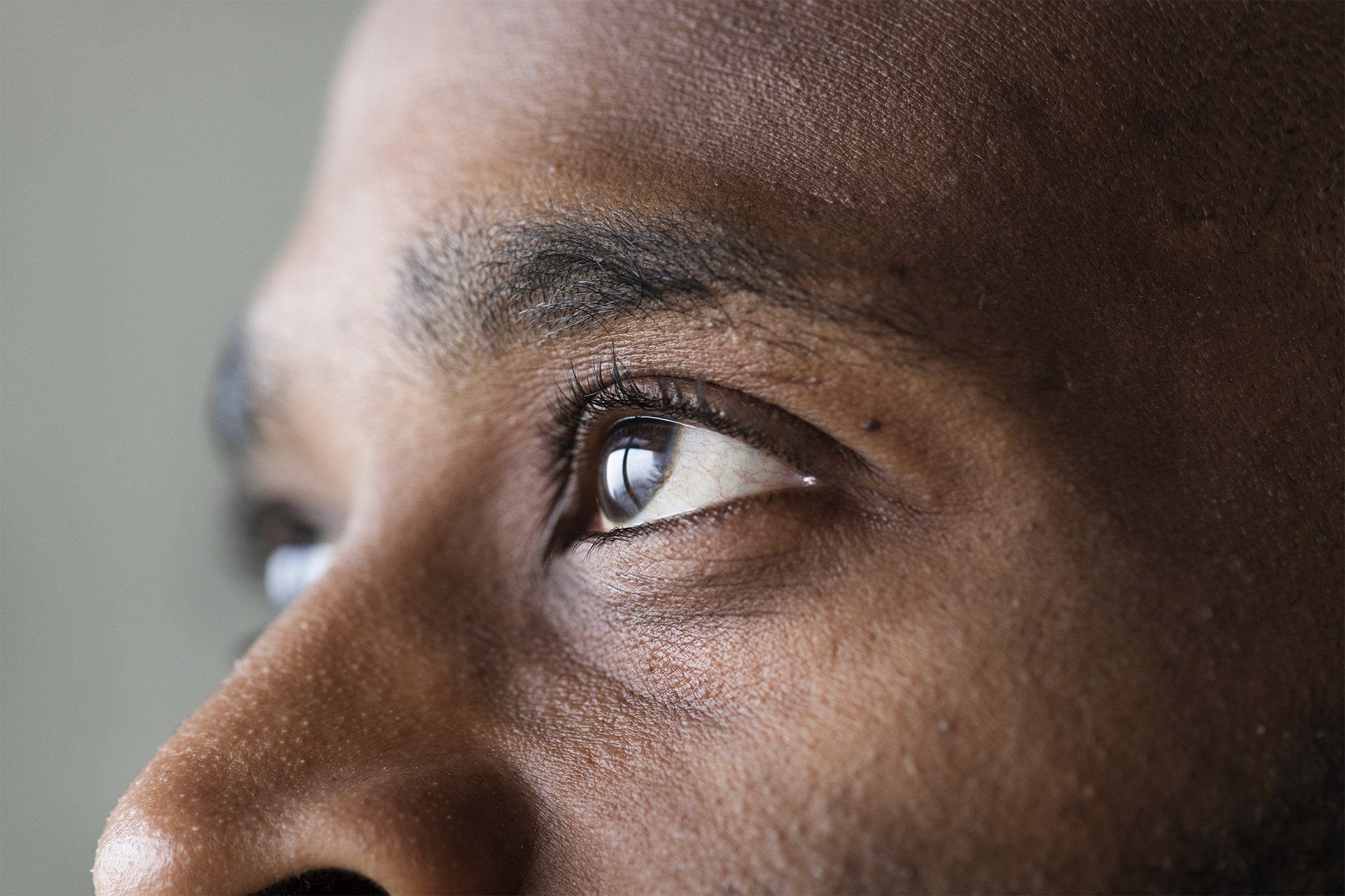
In rural and urban areas in Haiti, 14.2% of a population suffered from glaucoma according to a recent study, compared to the global rate of 3.54 %. These numbers suggest that glaucoma is affecting Haitians at an alarmingly high rate. Even in a US-living Haitian population, glaucoma was also found to be highly prevalent, no matter the age group.
May 6, 2019
Jan maladi glokòm ap fè Ayisyen mal
In rural and urban areas in Haiti, 14.2% of a population suffered from glaucoma according to a recent study, compared to the global rate of 3.54 %. These numbers suggest that glaucoma is affecting Haitians at an alarmingly high rate. Even in a US-living Haitian population, glaucoma was also found to be highly prevalent, no matter the age group.
May 6, 2019
Climate Change, Migration and Healthcare in Gonaives
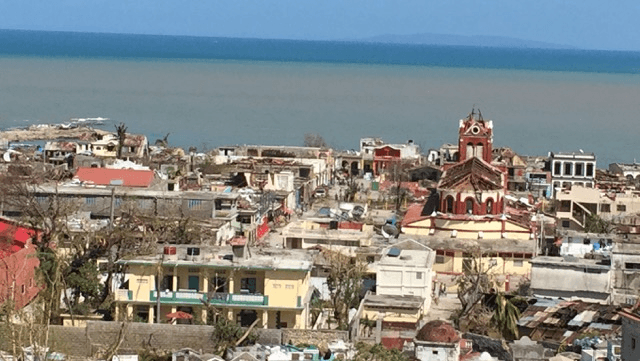
People who live in vulnerable areas in dry seasons move up to the hills, in neighborhoods in the periphery of Gonaives, to be safe from floods during the rainy seasons. The impact of hurricanes Hanna and Ike in 2008 influenced Gonaives’ population increase and even forced the emergence of new neighborhoods. The city’s population almost doubled from 2003 to 2015. As a matter of fact, between 1954 and 2012, no less than 19 major hurricanes have affected Haiti. Due to persistent vulnerabilities and fiercer hurricane seasons (maybe due to warmer temperatures), such disasters will continue to haunt us.
Sep 7, 2017
Climate Change, Migration and Healthcare in Gonaives
People who live in vulnerable areas in dry seasons move up to the hills, in neighborhoods in the periphery of Gonaives, to be safe from floods during the rainy seasons. The impact of hurricanes Hanna and Ike in 2008 influenced Gonaives’ population increase and even forced the emergence of new neighborhoods. The city’s population almost doubled from 2003 to 2015. As a matter of fact, between 1954 and 2012, no less than 19 major hurricanes have affected Haiti. Due to persistent vulnerabilities and fiercer hurricane seasons (maybe due to warmer temperatures), such disasters will continue to haunt us.
Sep 7, 2017
Ki jan nou ka amelyore sistèm sante ayisyen an
Haiti’s public hospitals serving the country’s poorest have gone on strike twice in the last 12 months, in the midst of a deadly epidemic. The media was still reporting on the distressing aftermath of the earthquake, when an outbreak of cholera broke in Haiti’s Center and Artibonite departments. As of last year, six years since its outbreak, approximately 40,000 people have fallen ill. In September, I visited a cholera treatment center in Belladeres, a border town in Haiti’s Central-east which was home to many cases. During this trip and our visits, I was reminded how much of a burden such outbreaks are on an already weak healthcare system. The impact is heavier in isolated towns and villages, where resources are often scarce. The route, from the epidemic’s very start to the current phase where the incidence is the lowest since 2014, has been paved with lessons that could benefit the entire system.
Apr 19, 2017
Ki jan nou ka amelyore sistèm sante ayisyen an
Haiti’s public hospitals serving the country’s poorest have gone on strike twice in the last 12 months, in the midst of a deadly epidemic. The media was still reporting on the distressing aftermath of the earthquake, when an outbreak of cholera broke in Haiti’s Center and Artibonite departments. As of last year, six years since its outbreak, approximately 40,000 people have fallen ill. In September, I visited a cholera treatment center in Belladeres, a border town in Haiti’s Central-east which was home to many cases. During this trip and our visits, I was reminded how much of a burden such outbreaks are on an already weak healthcare system. The impact is heavier in isolated towns and villages, where resources are often scarce. The route, from the epidemic’s very start to the current phase where the incidence is the lowest since 2014, has been paved with lessons that could benefit the entire system.
Apr 19, 2017
Sa Ki Twouble M Nan Plan Ban Ki-Moon Konsènan Kolera Ann Ayiti
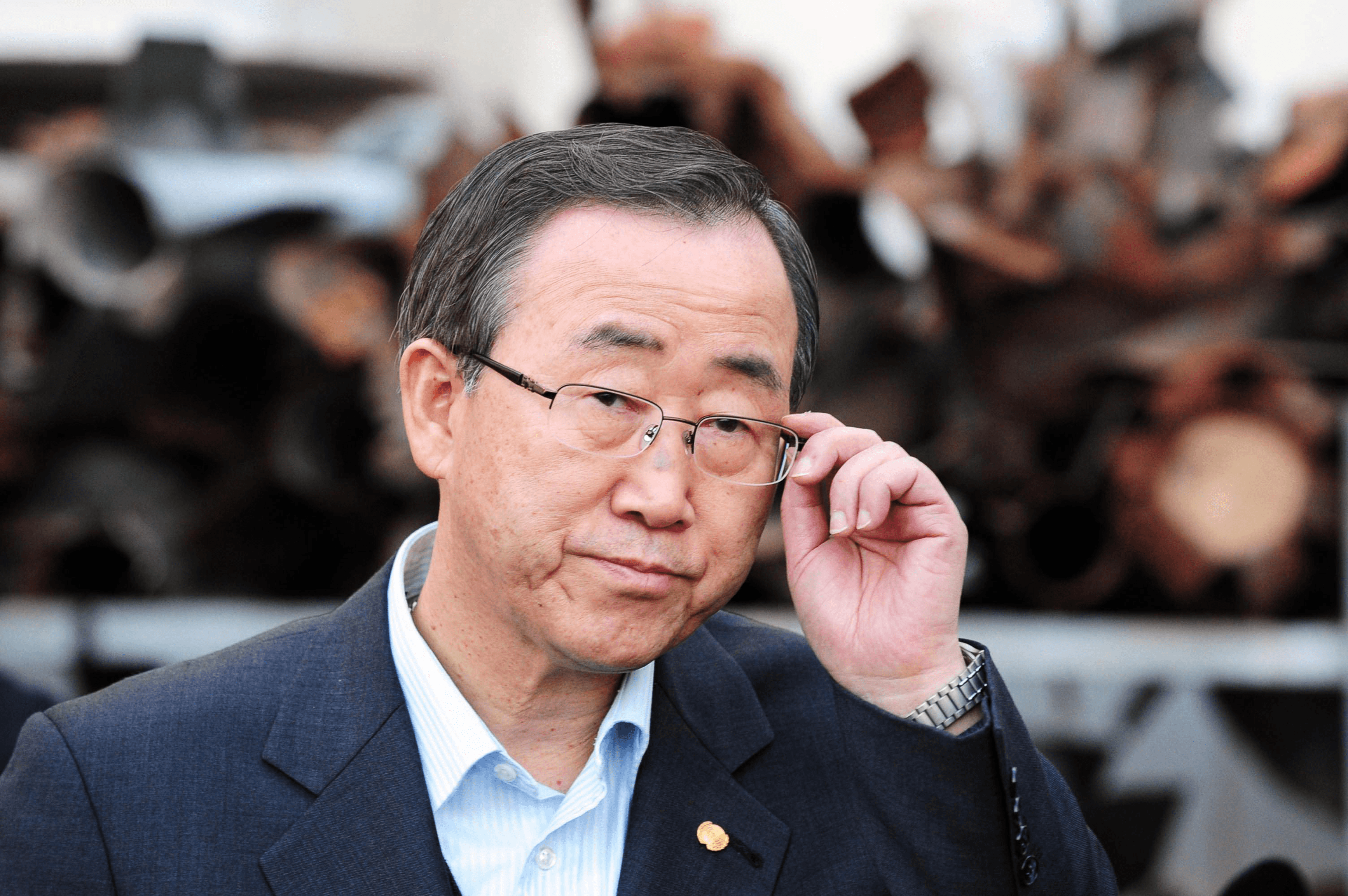
Right now is as good a time as any to remember the critical work that has already been done to eliminate the disease, long before Ban Ki-Moon’s big statement. Right now is as good a time as any to remember the fact that Haiti’s future lies only in our own hands.
Dec 21, 2016
Sa Ki Twouble M Nan Plan Ban Ki-Moon Konsènan Kolera Ann Ayiti
Right now is as good a time as any to remember the critical work that has already been done to eliminate the disease, long before Ban Ki-Moon’s big statement. Right now is as good a time as any to remember the fact that Haiti’s future lies only in our own hands.
Dec 21, 2016
Kòman Nou Pral Konbat Kolera Ann Ayiti Aprè Siklòn Matye
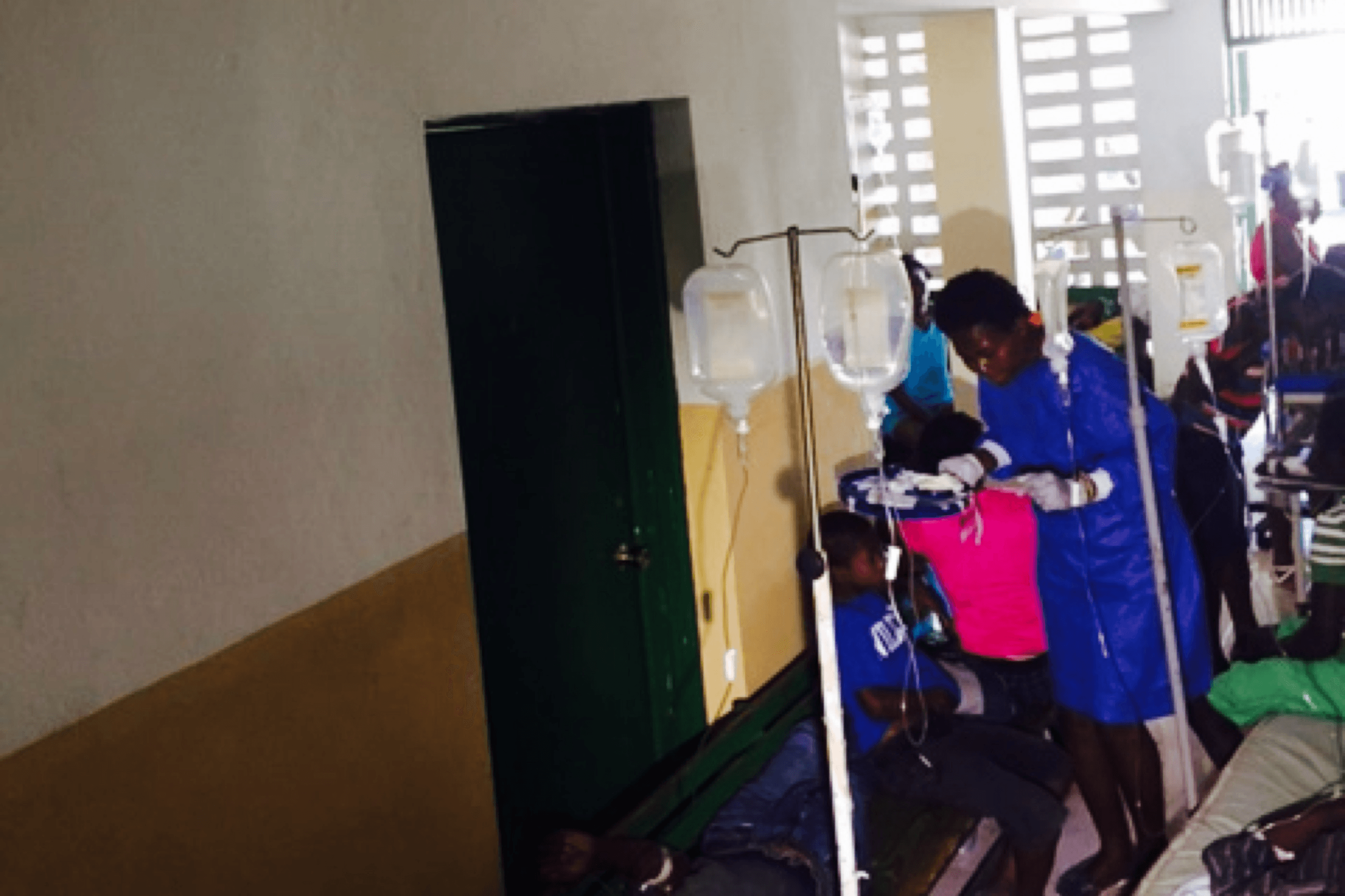
Hurricane Matthew mostly devastated Haiti's Deep South, affecting nearly 80% of homes in Jeremie, a coastal town in Grand Anse. Crops, livestock and drinking water systems also perished. As foreseen by health authorities and the population, outbreaks of cholera, which is endemic in Haiti seem to have quickly risen in several localities of the South peninsula. In light of my experience on the field in the Center, I propose a few strategic insights pertaining to cholera elimination in the aftermath of this disaster.
Oct 18, 2016
Kòman Nou Pral Konbat Kolera Ann Ayiti Aprè Siklòn Matye
Hurricane Matthew mostly devastated Haiti's Deep South, affecting nearly 80% of homes in Jeremie, a coastal town in Grand Anse. Crops, livestock and drinking water systems also perished. As foreseen by health authorities and the population, outbreaks of cholera, which is endemic in Haiti seem to have quickly risen in several localities of the South peninsula. In light of my experience on the field in the Center, I propose a few strategic insights pertaining to cholera elimination in the aftermath of this disaster.
Oct 18, 2016
Poukisa Medsen Ayisyen Chwazi Rete Travay Ann Ayiti
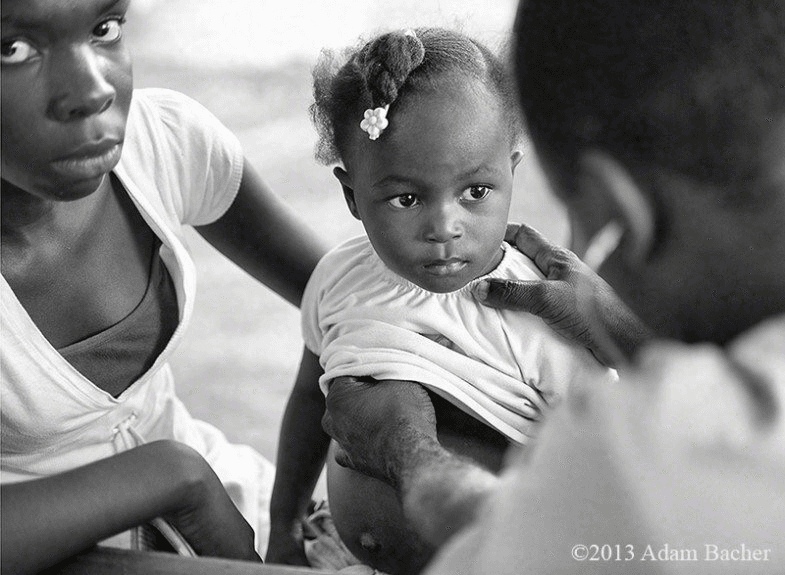
Despite the circumstances, many Haitian doctors choose to practice in Haiti, even with the increasing promises of improved work conditions and better opportunities for doctors in foreign countries. Even among the larger community of Haitian doctors practicing abroad, the desire to come back to the motherland is often expressed.
Aug 17, 2016
Poukisa Medsen Ayisyen Chwazi Rete Travay Ann Ayiti
Despite the circumstances, many Haitian doctors choose to practice in Haiti, even with the increasing promises of improved work conditions and better opportunities for doctors in foreign countries. Even among the larger community of Haitian doctors practicing abroad, the desire to come back to the motherland is often expressed.
Aug 17, 2016
Eske Anviwonnman Pòtoprens Ap Rann Nou Malad ?
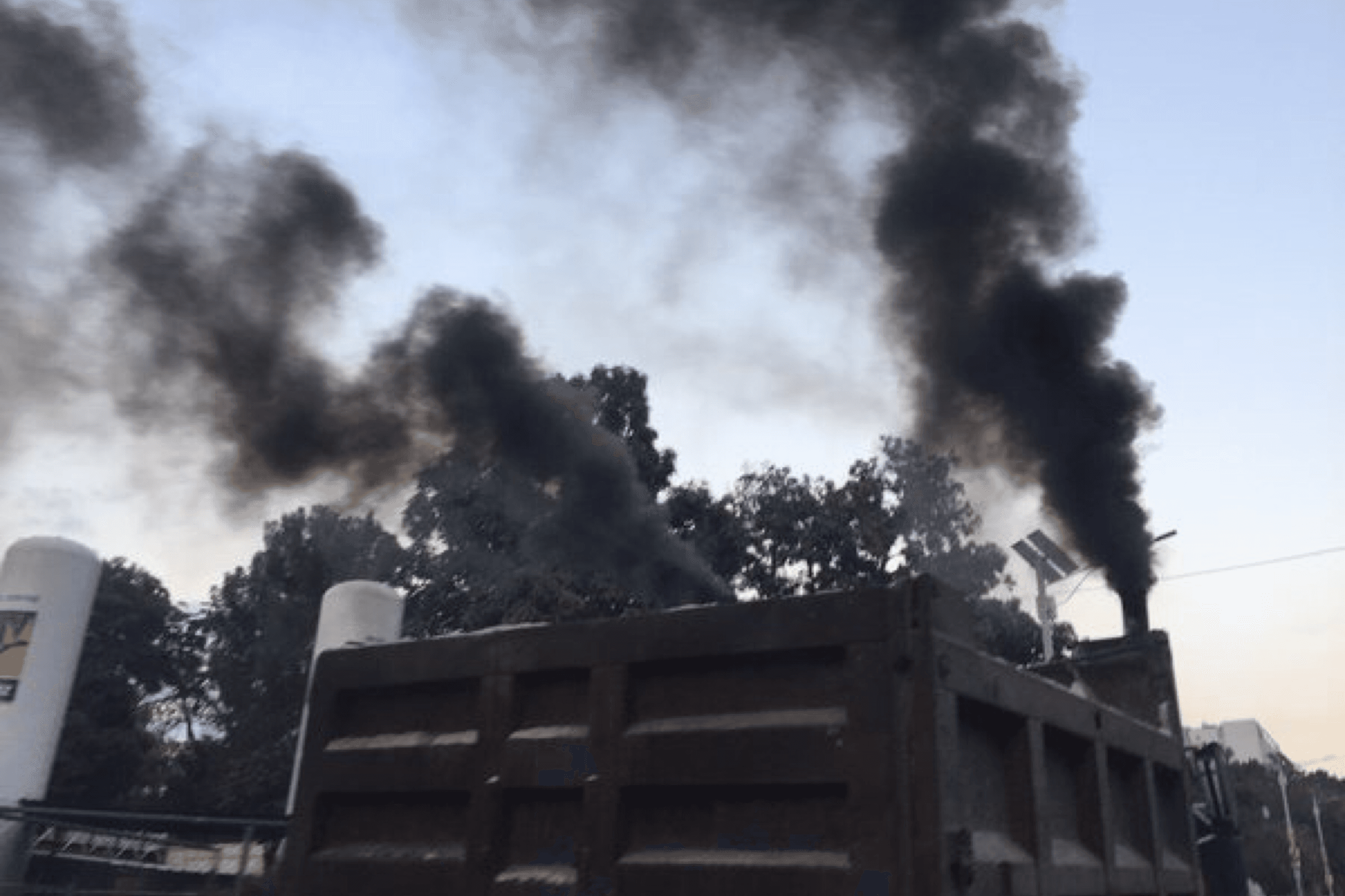
Toxic gas emissions often pollute places where most people live, since they also attend their occupations there. These emissions usually come from vehicles engines or burnt domestic wastes. For example, when vendors setup their businesses along the streets, trucks or motorcycles regularly pass or stop nearby. When the engine is started, merchants and passersby often inhale expelled gaseous components. People who travel via public transportation also inhale these while stuck in traffic, because tap-taps and other vehicles used for Haitian public transportation are usually semi-open.
Jun 21, 2016
Eske Anviwonnman Pòtoprens Ap Rann Nou Malad ?
Toxic gas emissions often pollute places where most people live, since they also attend their occupations there. These emissions usually come from vehicles engines or burnt domestic wastes. For example, when vendors setup their businesses along the streets, trucks or motorcycles regularly pass or stop nearby. When the engine is started, merchants and passersby often inhale expelled gaseous components. People who travel via public transportation also inhale these while stuck in traffic, because tap-taps and other vehicles used for Haitian public transportation are usually semi-open.
Jun 21, 2016
Zafè Legalize Avòtman Ann Ayiti
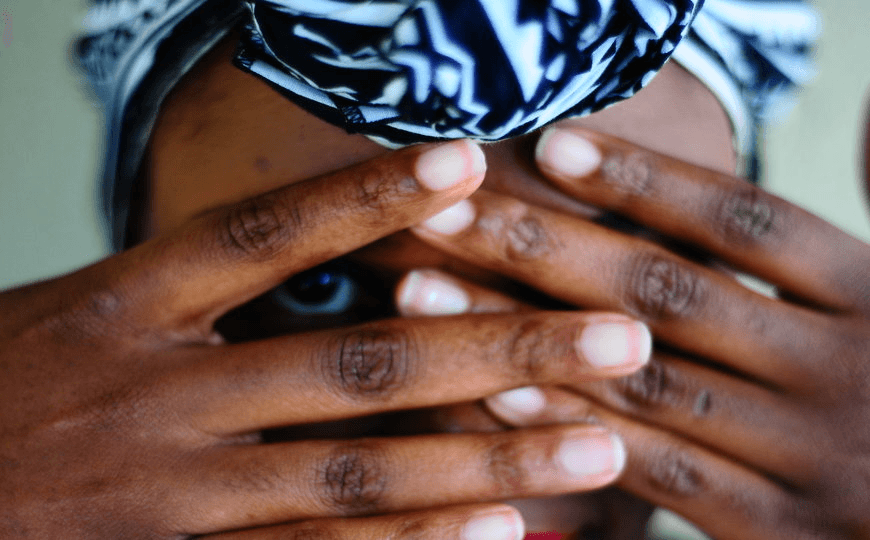
Called the Poto Mitan in Haitian Creole, women account for 50.49% of the Haitian population and are the center pillar of most households. From commerce to education, their contributions to society are undeniable. As the prosperity of the nation relies on its citizens’ well-being, women’s health is a public health priority when it comes to the national health policies, especially regarding reproduction. Despite these efforts, unsafe abortion remain a prevalent and poorly addressed issue in the Haitian healthcare system.
Mar 4, 2016
Zafè Legalize Avòtman Ann Ayiti
Called the Poto Mitan in Haitian Creole, women account for 50.49% of the Haitian population and are the center pillar of most households. From commerce to education, their contributions to society are undeniable. As the prosperity of the nation relies on its citizens’ well-being, women’s health is a public health priority when it comes to the national health policies, especially regarding reproduction. Despite these efforts, unsafe abortion remain a prevalent and poorly addressed issue in the Haitian healthcare system.
Mar 4, 2016
Nou Bezwen Yon Nouvo Apwòch Pou Trete Maladi SIDA Ann Ayiti
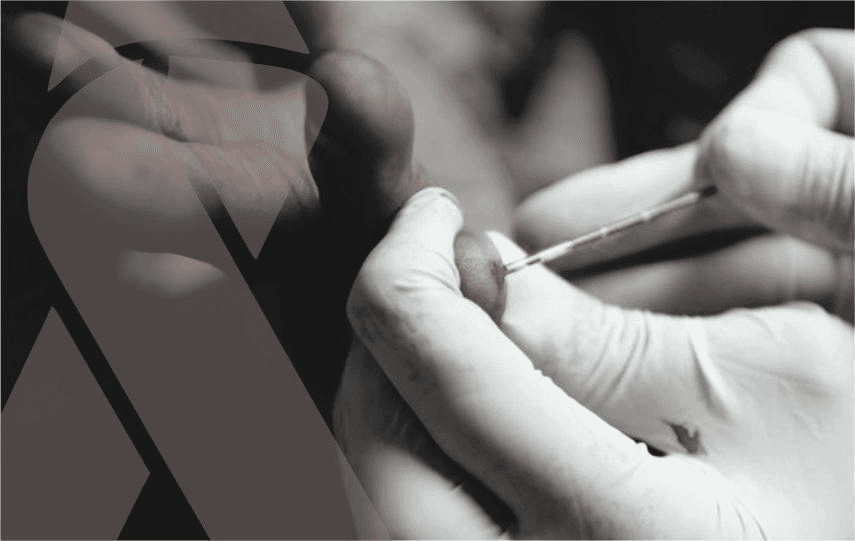
However, to decrease the spread of HIV/AIDS and ultimately eliminate it by 2020, scientists are planning a bolder strategy, named "test-and-treat".
Dec 1, 2015
Nou Bezwen Yon Nouvo Apwòch Pou Trete Maladi SIDA Ann Ayiti
However, to decrease the spread of HIV/AIDS and ultimately eliminate it by 2020, scientists are planning a bolder strategy, named "test-and-treat".
Dec 1, 2015
Anba Bèl Koulè Jalouzi

I still remember that November morning, Moise Street in Petion-ville was under reconstruction. Dust filled the air and provoked my nose to sneeze multiple times. It was my first day of work as a doctor in Jalouzi. I decided to walk to get there; that was my way of getting to know this colorful neighborhood I knew very little about. All I had in mind were my brother's quips likening Jalouzi to Kabul by day and New York City by night.
Oct 5, 2015
Anba Bèl Koulè Jalouzi
Oct 5, 2015
Anba Bèl Koulè Jalouzi
I still remember that November morning, Moise Street in Petion-ville was under reconstruction. Dust filled the air and provoked my nose to sneeze multiple times. It was my first day of work as a doctor in Jalouzi. I decided to walk to get there; that was my way of getting to know this colorful neighborhood I knew very little about. All I had in mind were my brother's quips likening Jalouzi to Kabul by day and New York City by night.
Oct 5, 2015
Rezistans Kont Medikaman: Sa Nou Ka Fè?
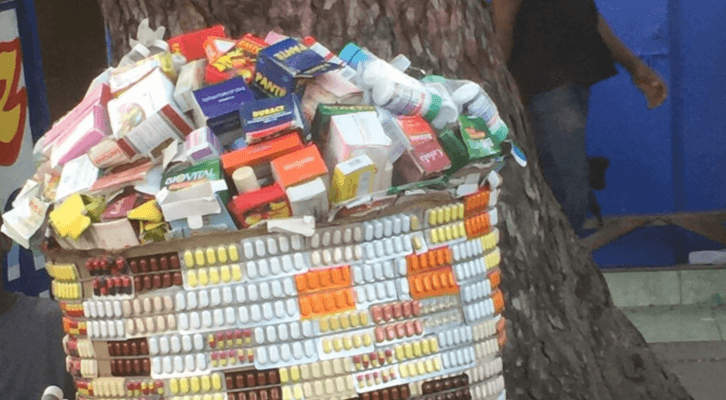
Throughout history, mankind has suffered from several devastating epidemics caused by pathogens (disease-causing microbes). Even the bible speaks of the occurrence of epidemics such as leprosy and tuberculosis, millennia ago. Among the deadliest known in history, the plague epidemic, from 1347 to 1351, killed half of the European population. Centuries later, the Spanish flu of 1918-1919 has claimed more lives than World War I. On the American continent, around the same period, the epidemic of polio in the United States has killed 6 000 persons. For many years, Haiti has been known for the spread of deadly microbial epidemics and is still currently fighting one of the highest rates of tuberculosis, HIV/AIDS (despite the dropping prevalence) and malaria in the hemisphere.
Aug 19, 2015
Rezistans Kont Medikaman: Sa Nou Ka Fè?
Throughout history, mankind has suffered from several devastating epidemics caused by pathogens (disease-causing microbes). Even the bible speaks of the occurrence of epidemics such as leprosy and tuberculosis, millennia ago. Among the deadliest known in history, the plague epidemic, from 1347 to 1351, killed half of the European population. Centuries later, the Spanish flu of 1918-1919 has claimed more lives than World War I. On the American continent, around the same period, the epidemic of polio in the United States has killed 6 000 persons. For many years, Haiti has been known for the spread of deadly microbial epidemics and is still currently fighting one of the highest rates of tuberculosis, HIV/AIDS (despite the dropping prevalence) and malaria in the hemisphere.
Aug 19, 2015
Pèdisyon: Haitian Myth or Medical Fact?

But is Pèdisyon actually considered as a real disease in modern medicine? Terms such as “Repressed pregnancy (Richmann 2002)” and “Arrested Pregnancy (Murray 1976)” are used to describe this strange syndrome.
May 12, 2015
Pèdisyon: Haitian Myth or Medical Fact?
But is Pèdisyon actually considered as a real disease in modern medicine? Terms such as “Repressed pregnancy (Richmann 2002)” and “Arrested Pregnancy (Murray 1976)” are used to describe this strange syndrome.
May 12, 2015
Why Young Doctors Leave Haiti
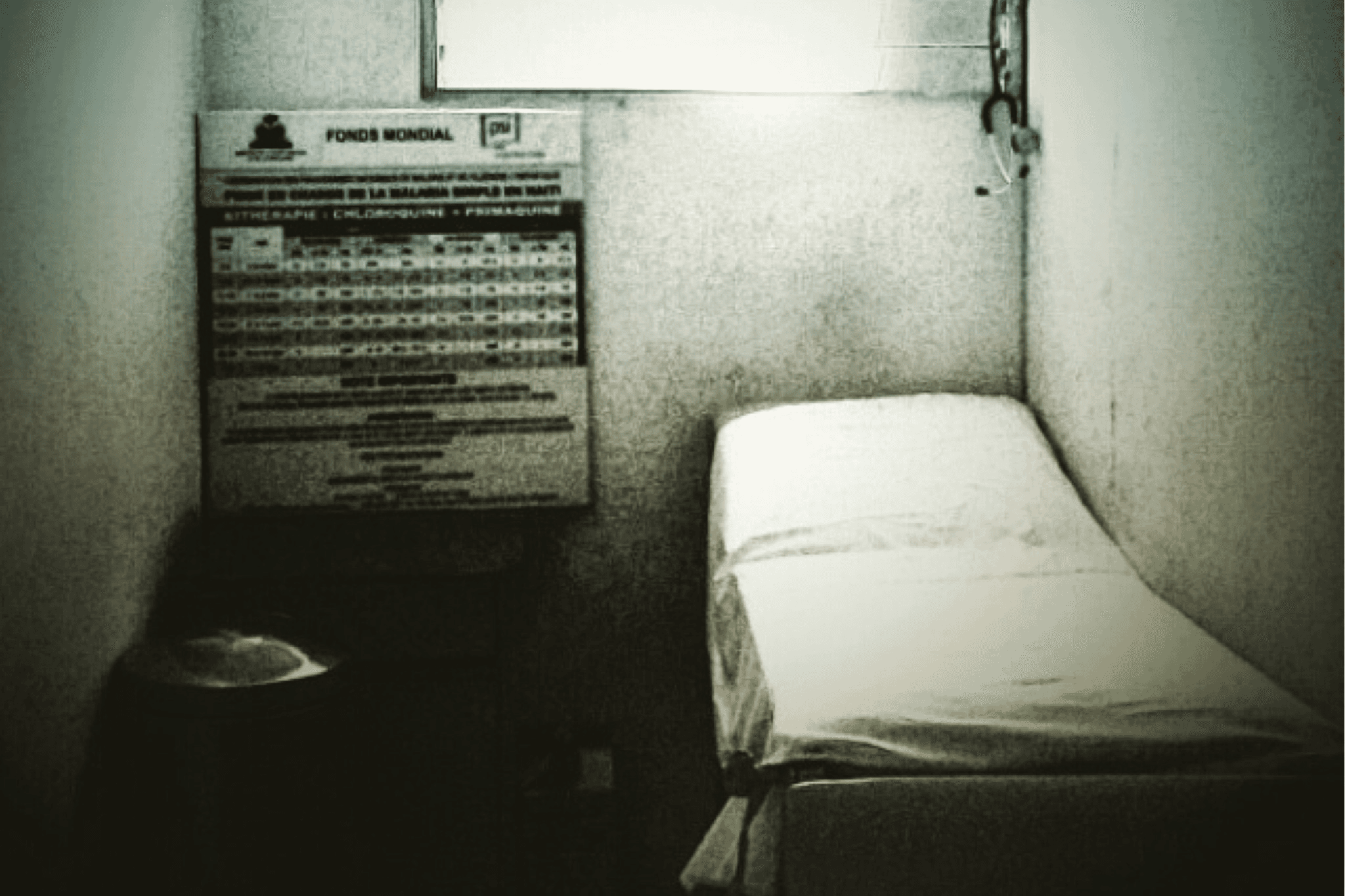
Why is Haiti's health sector experiencing such an exodus? This article’s aim is not to exhaustively analyze all of the reasons why Haitian physicians leave, but to discuss the reasons I have observed among my peers.
Apr 13, 2015
Why Young Doctors Leave Haiti
Apr 13, 2015
Why Young Doctors Leave Haiti
Why is Haiti's health sector experiencing such an exodus? This article’s aim is not to exhaustively analyze all of the reasons why Haitian physicians leave, but to discuss the reasons I have observed among my peers.
Apr 13, 2015
CONTACT
SOCIAL
" height="102.5816409423233px" id="g2kZUfxvI" width="102.91800162469531px"/></svg>)
" height="103px" id="oG538LvCh" width="102.99817255782794px"/></svg>)
" height="103px" id="SKAc1JCfN" transform="translate(1.11 0)" width="100.78524425744274px"/></svg>)
CONTACT
SOCIAL
CONTACT
SOCIAL